Which IBS Treatment Works Best?
If you’re struggling with IBS, you’ve probably come across two popular treatments: the Low-FODMAP diet and gut-directed hypnotherapy. Both target IBS symptoms, but in very different ways — one through the body (diet) and one through the mind-body connection (nervous system).
Understanding how they compare will help you make an informed choice for your IBS treatment journey.
What Is Gut-Directed Hypnotherapy?
Gut-directed hypnotherapy (GDH) is a structured, evidence-based approach that uses hypnosis to calm the gut-brain axis — the communication link between your digestive and nervous systems.
It’s a gentle, therapeutic process that helps shift your body out of ‘fight-or-flight’ and into a healing state.
Using guided relaxation, imagery, and suggestion, sessions help:
- Reduce gut sensitivity
- Ease pain and bloating
- Retrain the gut-brain connection
- Lower stress and anxiety that can worsen symptoms
You’ll learn to deeply relax, visualise your gut functioning smoothly, and respond more calmly to discomfort or flare-ups — gradually reducing symptoms over time.
A Monash University clinical trial found GDH gave symptom relief in 72% of participants — comparable to the Low-FODMAP diet — with added benefits for anxiety and long‑term quality of life
View the study on PubMed
NICE clinical guidance recommends hypnotherapy and CBT as treatments for IBS patients who haven’t found adequate relief through diet or lifestyle alone. Read more here.
Is gut hypnotherapy safe?
Gut-directed hypnotherapy is safe, non-invasive, and evidence-based. It’s recognised by clinical guidelines for IBS, including NICE and the British Society of Gastroenterology.
What Is the Low-FODMAP Diet?
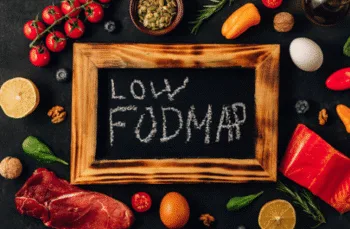
The Low-FODMAP diet is a short-term, evidence-based diet that removes fermentable sugars known to trigger IBS symptoms like gas, bloating, and cramps.
It has three phases:
- Elimination
- Reintroduction
- Personalisation
These sugars — found in foods like garlic, onions, dairy, and some fruits — are poorly absorbed and can ferment in the gut, leading to symptoms. This diet should be done with a trained dietitian to ensure it’s effective and safe.
While many find relief, it can feel restrictive and difficult to maintain, especially long-term.
People often report:
- Anxiety around eating out
- Needing to prepare separate meals
- Fear of symptoms after eating certain foods
- Disordered eating habits without professional guidance
IBS is complex, involving the gut and brain in a delicate dance. Whether you choose the low FODMAP diet, gut-directed hypnotherapy, or both, taking control starts with understanding your options.
The Research: Head-to-Head Comparison
A 2016 randomised trial by Monash University compared GDH and the Low-FODMAP diet:
- Both helped ~70–80% of participants
- Hypnotherapy showed extra benefits for mental wellbeing and long-term results
- Some who didn’t respond to diet did improve with GDH
This research confirmed that brain-based therapies can be just as effective as diet — without restrictive eating.
Pros & Cons at a Glance
Gut-Directed Hypnotherapy
Pros:
- No dietary restriction
- Improves anxiety & stress
- Targets the root (gut-brain link)
Cons:
- Requires consistency
- Access to a trained therapist
Low-FODMAP Diet
Pros:
- Backed by strong evidence
- Helps identify food triggers
Cons:
- Highly restrictive
- Doesn’t address nervous system triggers
Some clients find that combining both gives the best results — easing gut reactivity with GDH while regaining food confidence through careful reintroduction.
Do You Have to Choose Just One?
Not at all. Many start with gut-directed hypnotherapy and layer in dietary tweaks later once their nervous system is calmer and they feel more confident around food.
- Tried Low-FODMAP but still have symptoms? GDH may address the gut-brain connection.
- Struggle with food anxiety or avoidance? GDH can rebuild trust in your gut.
- GDH helps increase food tolerance and reduce fear of flare-ups.
It also retrains your body’s response to gut signals — so you can reintroduce foods without the same reaction, even ones you previously feared.
What I Offer: A Combined, Personalised Approach
I combine gut-directed hypnotherapy and CBT techniques to help with:
- IBS triggers and symptoms
- Food-related fear or restriction
- IBS anxiety
- Habitual gut tension and flare-ups
This approach supports both your body and mindset.
CBT helps reframe thoughts like “I’ll be sick if I eat that,” while hypnotherapy calms your body’s automatic stress response.
Curious how gut-directed hypnotherapy actually works? Read this post explaining how it calms your gut-brain axis.
Or learn how CBT can help with flare-up anxiety and symptom patterns.
Every journey starts with a free, no-pressure consultation – a relaxed chat to explore your goals and how we can work together to create lasting relief.
Ready to explore what might work best for your gut?
Let’s chat about your symptoms and the support that fits you. Get in touch here